Feed
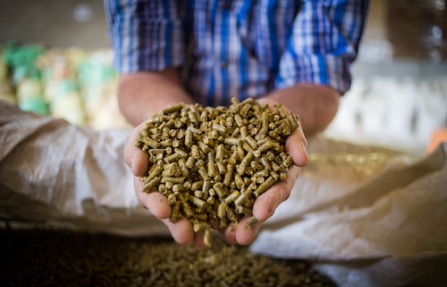
Coding of herbs in animal feed
Read moreHerbs in animal feed can be present in various forms: ground, dried, as an extract, and so on. It is often unclear how these feed products should be correctly labelled. Are we talking about a feed material or an additive? Find out that, and much more, in this blog.
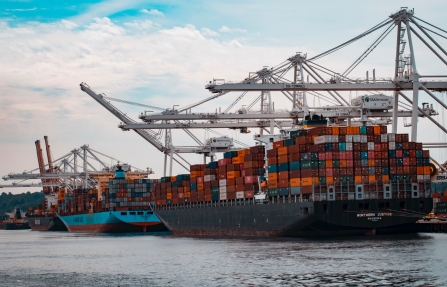
Export regulations for third countries
Read moreExporting from Belgium to non-EU countries can be a challenge. Some countries impose restrictions on the import of certain products or require specific export permits.
In this article, you will learn more about some specific conditions and the recent changes in the pig industry.
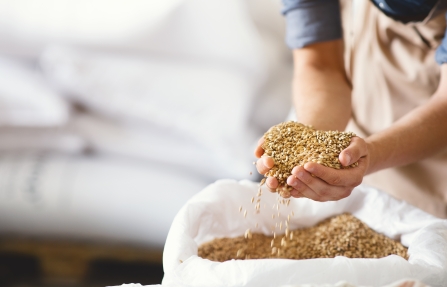
Fermented grains as a feed material
Read moreGrains such as wheat, rye and barley are well-known and permitted feed materials, but what about fermented grains?
Fermentation is approved process no. 28 in Part B of the Catalogue of feed materials.
Read all the key information about fermented grains in our latest blog and find out how to display them correctly on labels.
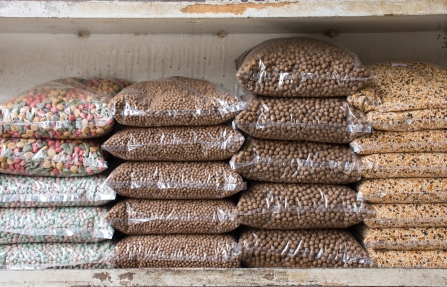
Feed labelling: Europe vs USA, the 5 key differences
Read moreExporting animal feed from Europe to the USA? Make sure you take the specific labelling requirements into account, as these can differ from European guidelines.
Read about the 5 biggest differences and the key tips in this article.
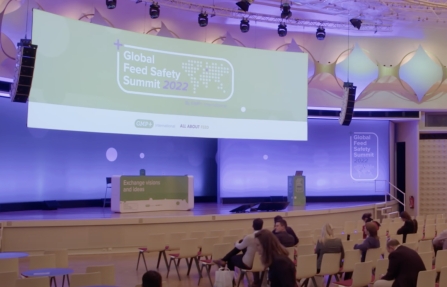
Trade fair visit: 'Global Feed Safety Summit'
Read moreAt the Global Feed Safety Summit, companies and representatives from the animal feed sector came together. Read our AMNorman expert Ruben's key takeaways.
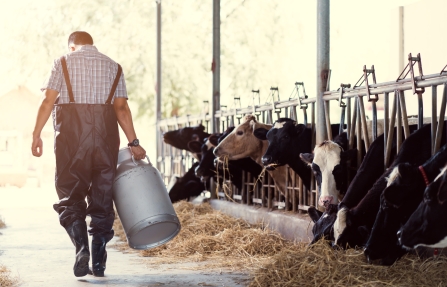
What are inhibitory substances and how are they detected in raw milk?
Read moreOn 15 December 2021, the FASFC published a circular on rapid tests and microbiological inhibitor tests for detecting antibiotic residues in raw milk. It contains several changes that took effect from 01/07/2023.

The green light for animal and insect meal
Read moreThe European Parliament recently gave the green light for the use of animal and insect meal as animal feed. A decision that brings several benefits for feed producers: imports of protein-rich raw materials will decrease (animal meal is high in protein), it is a form of circular agriculture (and therefore sustainable), and it may also represent an interesting cost advantage, since the price of compound feed can drop through the use of animal meal.