Bakers no longer allowed to sell rice tart made grandmother's way
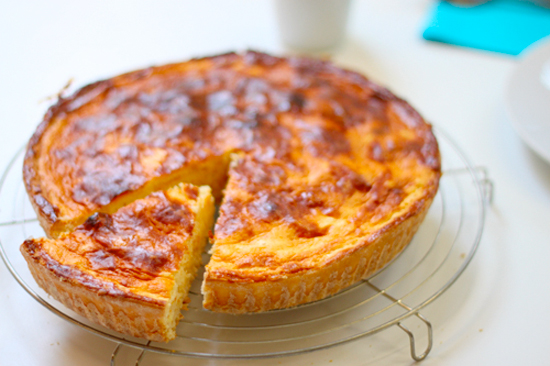
Bakers can no longer make and store an artisanal rice tart if they have to comply with the FASFC's requirements.
It all comes down to one of the basic ingredients, namely milk.
The whole discussion essentially revolves around two issues: the preparation process and the storage of the rice tarts, says Bart Thomassen of the professional federation for bakers in Flanders.

Natasja De Troch
The traditional grandmother's preparation process
The basis of a rice tart is, of course, the rice porridge. This must be cooked according to strict standards. In particular, it must be brought to the boil for long enough to kill any bacteria. However, quite a few bakers use their own preparation method, based on an old recipe. According to the FASFC, this does not offer sufficient guarantees, especially when fresh farm milk is used.
That farm milk is needed to preserve the artisanal character and the regional product label.
Storage temperature
The second point of discussion is the storage temperature. According to the FASFC, rice tarts, like other pastries, must be stored at a maximum of 7 degrees. This leads to a loss of flavour and the tarts also dry out more quickly, say the bakers who are unwilling to deviate from their artisanal recipe.
As an artisan producer, want to be sure you meet FASFC requirements? Discover our support for self-checking and the Smiley.