Labelling
New E-number: buffered vinegar
Read moreFollowing a positive assessment by EFSA, the additive buffered vinegar has been given its own E-number: E 267.
Correctly listing additives in the food industry: do's and don'ts
Read moreAdditives are widely used in the food industry. Each of these substances has its own function and is used to make products:
✅ taste better
✅ look more appealing in colour
✅ keep longer
✅ and much moreThey end up in food for a specific purpose, and consumers must be informed of this.
In this blog, discover all the do's and don'ts for correctly displaying additives on food labels.
'Use by' or 'best before'?
Read moreWhat is the difference between 'best before' and 'use by'?
We regularly receive questions about the durability dates on the label of a pre-packaged product. The manufacturer is required to place a durability date on every food product. A distinction is made between 'best before (BB)' and 'use by (UB)'.
When do I use 'UB' and when 'BB'? Is a durability date always mandatory? And what about stating time and temperature?
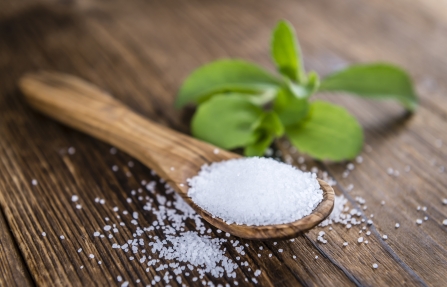
Change to steviol glycosides labelling
Read moreSteviol glycosides, better known as stevia, are an intense sweetener roughly 200 to 300 times sweeter than sugar. Since 2011, it has been permitted for use as a food additive in the European Union.
Some changes have recently been made regarding the use of steviol glycosides as an additive (E 960) in food.

New legislation on the labelling of spirit drinks (rum, cognac, etc.)
Read moreSince 25 May 2021, new EU legislation has applied to the definition, description, labelling and presentation of spirit drinks such as rum and cognac.

Product information under the microscope
Read moreResearch shows that 20%, or 25,000 product data sheets, contain errors or omissions.
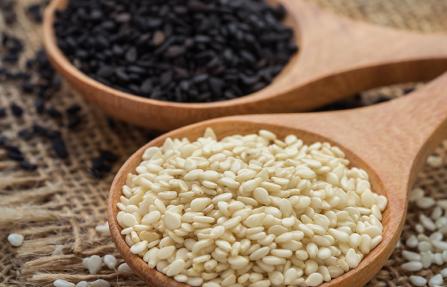
Sesame, the newcomer among allergens in the US
Read moreDo you export to the US and does your food contain sesame? The label will soon need to be updated! From 1/01/23, sesame will also be recognised as an official allergen in the US. That brings the count to 9, alongside sesame: peanuts, tree nuts, fish, shellfish, soy, dairy, eggs and wheat.
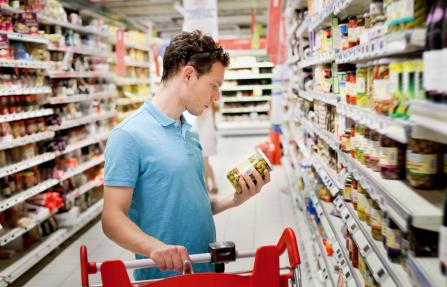
The benefits of sustainability labels
Read moreSustainable consumption continues to grow. Sustainable turnover in Flanders, for example, rose by a third in 2017. Flemish consumers are not only spending more on sustainable food, they also have an opinion about it. Three quarters of Flemish people see value in using labels to indicate how sustainable a food product is.
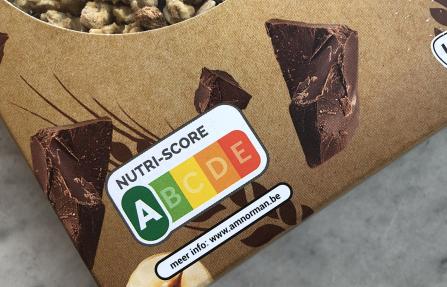
Nutri-Score: the label for informed food choices
Read moreThe Nutri-Score on the packaging of our food products was introduced two years ago. Step by step, more and more manufacturers are using the label. We explain how it works.
'Use by' or 'best before'?
Read moreThe best-before date was introduced to safeguard the quality and safety of food products. It is meant to make clear until when a product may be consumed. In practice, however, two different types of date marking are used, which can sometimes lead to confusion.