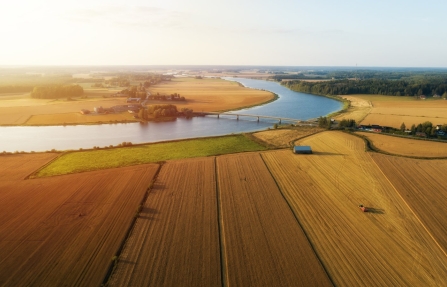
Water in primary plant production: when can you analyse less often?
The FASFC is relaxing the analysis frequency for water used during and after harvest. Find out under which conditions you may carry out fewer water analyses.
The FASFC is relaxing the analysis frequency for water used during and after harvest. Find out under which conditions you may carry out fewer water analyses.

Mercury in fish, arsenic in rice and cadmium in cocoa: heavy metals in raw materials remain a recurring risk. Since 2023, Regulation (EU) 2023/915 brings all maximum levels together in one framework. We look at the current limits and how to control this risk in practice.

What can a food business put on its label as "gluten-free"? We explain the legal thresholds, the allergen rules and a practical approach.

How a thorough defence analysis and a well-founded expert report helped Eurofyto get a blocked batch released after a non-compliant FASFC result.
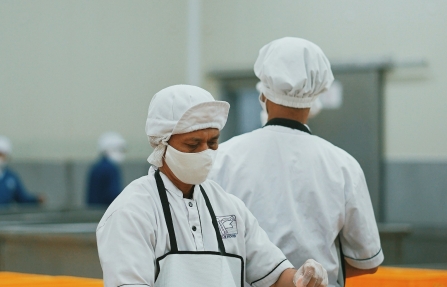
Halal and kosher certification requires a separate layer on top of your existing food safety system. We set out the key legal and practical points for Belgian food businesses.
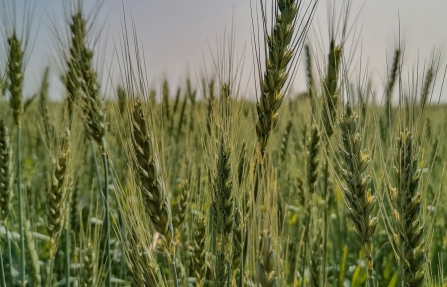
Since 16 July 2026, a new EU regulation applies to NGT plants, with consequences for labelling. We outline the key changes.
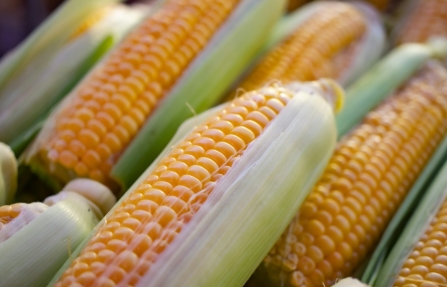
Mycotoxins in cereals and animal feed face stricter EU limits and growing climate pressure. Discover the legislation, the risk and how to control it.

From 10 August 2026, new BRCGS requirements (SD404 v8.1) apply to storage and distribution. Find out what's changing and how to prepare for your audit.

The Final Draft International Standard (FDIS) of ISO 9001:2026 has been officially approved. The new standard is published on 16 September 2026. Discover the key changes and how to prepare your quality management system in time.
The PPWR demands more than understanding the rules: it's about conformity assessment, materials and recyclability in practice. Discover where companies get stuck today.