Did your company receive an official report (PV) from the FASFC? It's a significant moment, but not a dead end. With the right approach, you turn the identified shortcomings into concrete improvements and get ready for the next inspection.
What is an FASFC official report (PV)?
The FASFC works with an enforcement ladder: depending on the severity and recurrence of an infringement, an inspection can lead to a warning, an official report (PV), seizure of products, a temporary closure or, in case of repeat offences, withdrawal of an approval, authorisation or registration. A PV is usually drawn up in the case of a serious infringement or an accumulation of minor shortcomings. The PV is forwarded to the public prosecutor's office. If the King's Prosecutor decides not to prosecute, or no decision is made within the set timeframe, the competent official can propose an administrative settlement to the offender within 60 days.
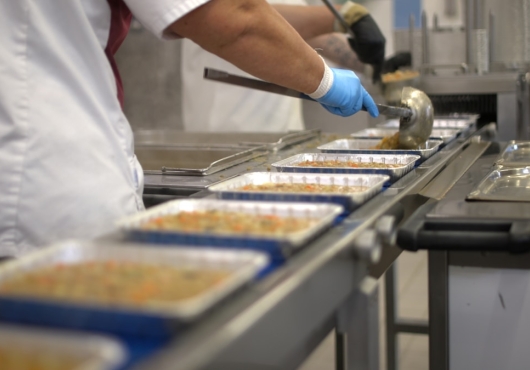
What are most FASFC official reports drawn up for?
According to FASFC figures (Annual Report on Administrative Fines 2024), 76% of the FASFC's files are drawn up in the distribution sector, including hospitality, shops, bakeries, butchers and catering kitchens.
The most common infringements relate to personal hygiene, self-checking, traceability, food temperature, and general hygiene and storage conditions. In hospitality, missing allergen information, insufficient handwashing facilities and dirty surfaces in contact with food are also important points of attention.
An official report is mainly drawn up in the case of serious shortcomings or when problems identified during a follow-up inspection have not been resolved.
What are the possible consequences?
A PV can result in an administrative fine (typically between 200 and 40,000 euros, depending on severity, the impact on public health and the size of the company). In exceptional cases, it can even lead to criminal proceedings.
In addition, a PV often weighs on follow-up during subsequent inspections and, for certain B2C activities, can play a role in the publication of inspection results. At least as important: the underlying problem must be tackled thoroughly, so it doesn't recur.
How does AMNorman support you?
Our AMNorman experts help you regain control of your food safety system after a PV:
- A thorough analysis of the identified non-conformities and their root causes.
- A concrete, achievable corrective action plan, tailored to your activity and capacity.
- Review and reinforcement of your self-checking system (HACCP, procedures, records) where needed.
- Coaching your team, so the improvements genuinely stick on the shop floor.
- Preparation for and support during the next FASFC inspection.
Want to prepare well for the next inspection? Then also read our page on preparing for an unannounced FASFC inspection.
AMNorman is not a law firm. We focus on the operational and quality side. We work closely with your lawyer to arrive at a complete, formal legal response.
Why AMNorman?
With more than 20 years of experience in quality management and food safety, our AMNorman experts know the FASFC's expectations inside out. We think pragmatically, speak the language of both the inspector and your production team, and make sure a PV becomes the starting point for a stronger system rather than a recurring problem.
Frequently asked questions
When does the FASFC draw up an official report (PV)?
A PV is one of the steps on the FASFC enforcement ladder. It is usually drawn up in the case of a serious infringement, an accumulation of minor shortcomings, or when problems identified earlier have not been resolved at a follow-up inspection.
What happens to an FASFC official report?
The PV is forwarded to the public prosecutor's office. If the King's Prosecutor decides not to prosecute, or no decision is made within the set timeframe, the competent official can propose an administrative settlement to the offender within 60 days.
How high can an FASFC administrative fine be?
Typically between 200 and 40,000 euros, depending on severity, the impact on public health and the size of the company. In exceptional cases, a PV can even lead to criminal proceedings.
Which infringements lead to most FASFC official reports?
According to the FASFC (Annual Report on Administrative Fines 2024), 76% of files concern the distribution sector. The most common infringements relate to personal hygiene, self-checking, traceability, food temperature, and general hygiene and storage conditions.
Does AMNorman provide legal assistance after a PV?
No, AMNorman is not a law firm. We focus on the operational and quality side: analysing the non-conformities, a corrective action plan, reinforcing your self-checking system and preparing for the next inspection. For the formal legal response, we work closely with your lawyer.
Further reading in our knowledge centre