
Proposed legislative change on PFAS and amendment to plastics legislation
A proposal for a legislative change has been submitted to the EU to ban PFAS compounds. If approved, this will also affect the use of PFAS in packaging materials.
A proposal for a legislative change has been submitted to the EU to ban PFAS compounds. If approved, this will also affect the use of PFAS in packaging materials.
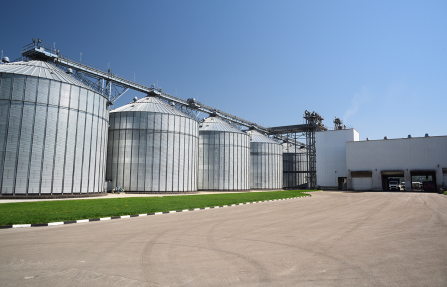
Every operator of an animal feed business that wishes to carry out activities within the animal feed sector must register or obtain approval. Specifically for Belgium, there is also an additional level
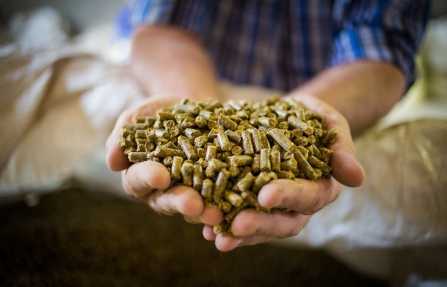
In the world of animal feed, homogeneity tests on mixing installations play an important role. They are essential to ensure the safety, quality and consistency of animal feed.

Following a positive assessment by EFSA, the additive buffered vinegar has been given its own E-number: E 267.
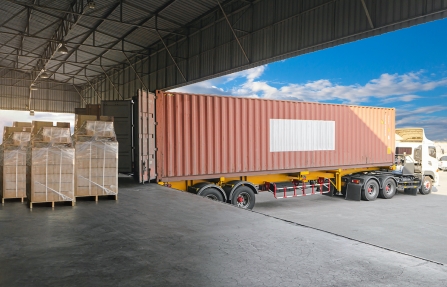
Every year, too many (fatal) road accidents are still caused by loads that have not been properly secured or restrained.
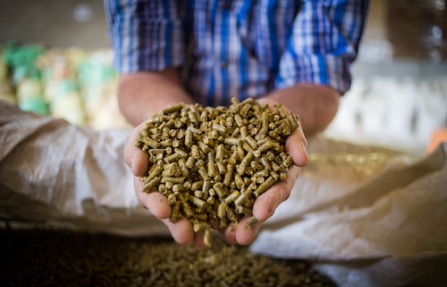
Herbs in animal feed can be present in various forms: ground, dried, as an extract, and so on. It is often unclear how these feed products should be correctly labelled. Are we talking about a feed material or an additive? Find out that, and much more, in this blog.

A change was recently made regarding inspection frequencies in the meat and fish sectors.
19 January 2023 - Publication of the Royal Decree amending the frequencies of inspections requiring the presence of an official from the Federal Agency in the meat and fish sectors.
13 February 2023 - The changes to the Royal Decree took effect.
Discover the changes in this blog.

Exporting from Belgium to non-EU countries can be a challenge. Some countries impose restrictions on the import of certain products or require specific export permits.
In this article, you will learn more about some specific conditions and the recent changes in the pig industry.

On 5 May 2023, Commission Regulation (EU) 2023/915 on maximum levels for certain contaminants in food and repealing Regulation (EC) No 1881/2006 was published.
Why was a new regulation needed?
What are the main changes?
From when does this new regulation apply?
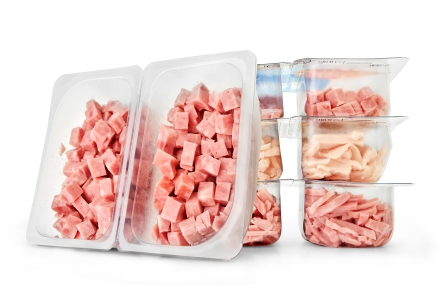
Additives are widely used in the food industry. Each of these substances has its own function and is used to make products:
✅ taste better
✅ look more appealing in colour
✅ keep longer
✅ and much more
They end up in food for a specific purpose, and consumers must be informed of this.
In this blog, discover all the do's and don'ts for correctly displaying additives on food labels.