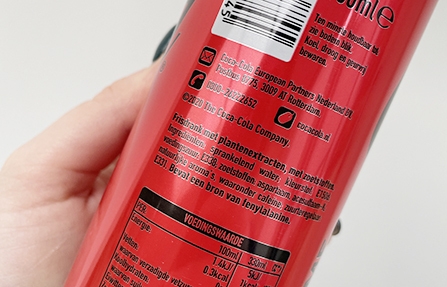
Language requirements for labelling
Discover the language requirements for food labelling in Belgium and how AMNorman can support your business in staying compliant.
Discover the language requirements for food labelling in Belgium and how AMNorman can support your business in staying compliant.

Since December 2020, a new EU directive has strengthened the quality and accessibility of drinking water. Discover the key changes.
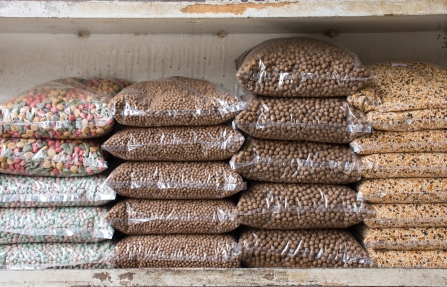
Exporting animal feed from Europe to the USA? Make sure you take the specific labelling requirements into account, as these can differ from European guidelines.
Read about the 5 biggest differences and the key tips in this article.
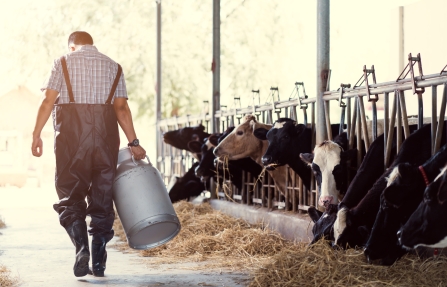
Following the publication of version 2.7 of the circular on rapid tests and microbiological inhibitor tests for detecting inhibitors in raw milk for use in self-checking in December 2021, the FASFC published a new version in early summer 2022 that applies with immediate effect. This is in contrast to the previous version, which had a transition period until 01/07/2023.
The horsemeat scandal that hit Europe in 2013 or the fipronil crisis in 2017. These are just two examples that illustrate the growing threat of food fraud.
What is food fraud exactly? What types exist? And how does the GFSI want to curb it?
Find out here.
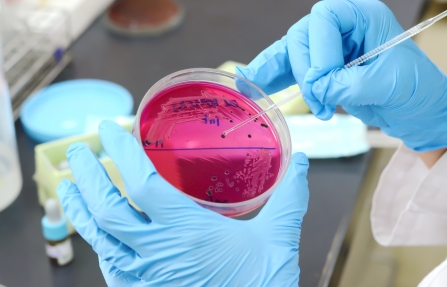
Salmonella in chocolate has been a hot topic for several months. Following the outbreak at the Ferrero factory in Arlon, Barry Callebaut has also blocked products due to salmonella contamination.
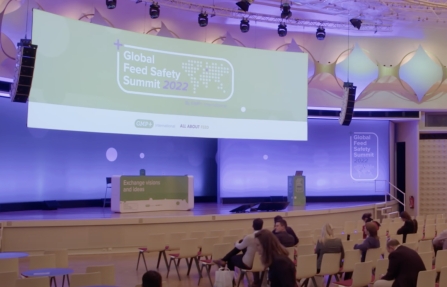
At the Global Feed Safety Summit, companies and representatives from the animal feed sector came together. Read our AMNorman expert Ruben's key takeaways.
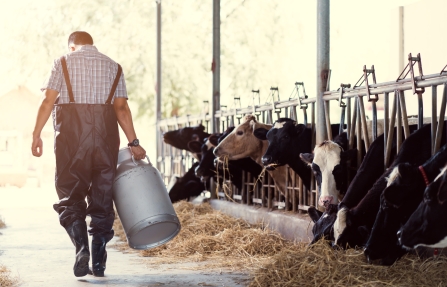
On 15 December 2021, the FASFC published a circular on rapid tests and microbiological inhibitor tests for detecting antibiotic residues in raw milk. It contains several changes that took effect from 01/07/2023.

From 1 January 2022, new organic legislation, Regulation 2018/848, applies. This replaces the previous regulation (834/2007), which dated from 2009. Curious about the changes? Read on to find out...
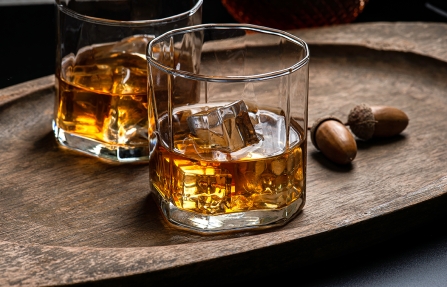
Since 25 May 2021, new EU legislation has applied to the definition, description, labelling and presentation of spirit drinks such as rum and cognac.