
Product information under the microscope
Research shows that 20%, or 25,000 product data sheets, contain errors or omissions.
Research shows that 20%, or 25,000 product data sheets, contain errors or omissions.

Do you use metal or alloy objects that come into contact with food? (Think of pots, pans, cutlery, and so on 🍴). Watch out! Since 17 February 2021, new limits apply to the maximum amount of metal ions or metalloids these objects may release. Wondering whether your objects comply? That is determined by specific release limits (SRLs). Find out more in this blog.
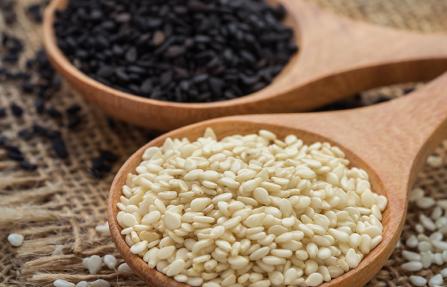
Do you export to the US and does your food contain sesame? The label will soon need to be updated! From 1/01/23, sesame will also be recognised as an official allergen in the US. That brings the count to 9, alongside sesame: peanuts, tree nuts, fish, shellfish, soy, dairy, eggs and wheat.
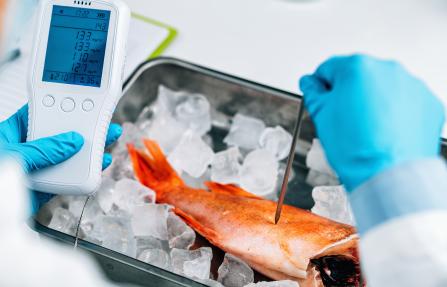
Did you know that cadmium and lead, two toxic and carcinogenic substances, enter our bodies through the food we eat? The European Commission has therefore decided to lower the maximum levels of these substances in food products (mainly vegetables, fruit and baby food).
Intrigued? Find out more about these substances and the European Commission's intervention in our blog.
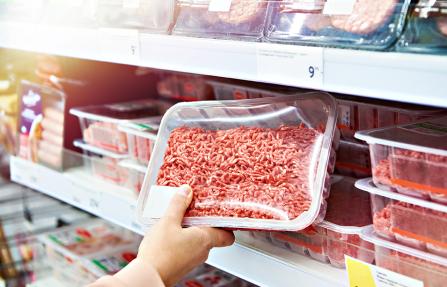
Did you know that the stated weight of only 45% of pre-packaged food products is actually correct? A poor result, according to the FPS! In 2020, the FPS Economy carried out an inspection campaign to check the accuracy of the quantity indication (the weight) stated on pre-packaged food products. The weight of mainly meat (products), fish, dairy products and prepared food products was examined.
Curious about the full report? Read our blog!

The European Parliament recently gave the green light for the use of animal and insect meal as animal feed. A decision that brings several benefits for feed producers: imports of protein-rich raw materials will decrease (animal meal is high in protein), it is a form of circular agriculture (and therefore sustainable), and it may also represent an interesting cost advantage, since the price of compound feed can drop through the use of animal meal.
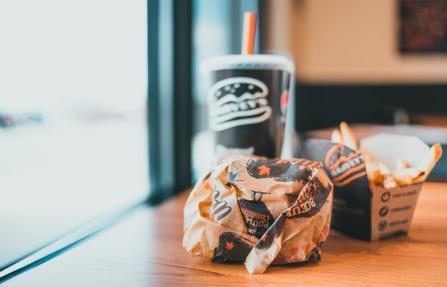
The term PFOS has recently received a lot of attention in the media. However, this substance is part of a large family of (hazardous) chemical substances: POPs, or Persistent Organic Pollutants.
We would like to give the rest of the POP family some attention too, hence a short explanation: What are POPs, why are they a problem and what does this have to do with our food packaging?
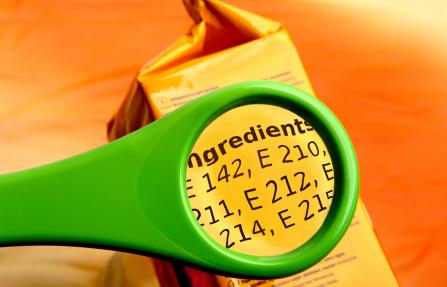
Titanium dioxide receives a negative assessment from EFSA.
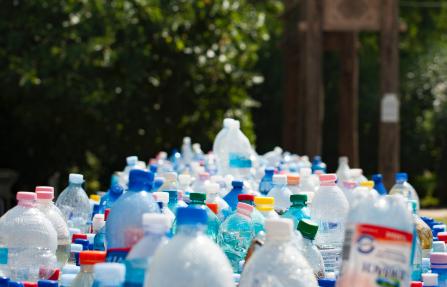
From 1 January 2021, the sorting obligation applies to the hospitality sector in Belgium
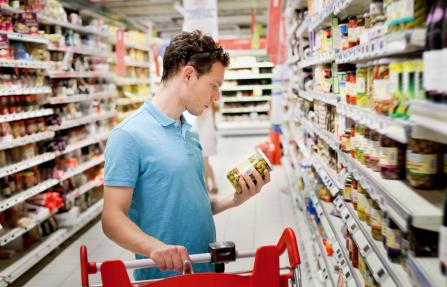
Sustainable consumption continues to grow. Sustainable turnover in Flanders, for example, rose by a third in 2017. Flemish consumers are not only spending more on sustainable food, they also have an opinion about it. Three quarters of Flemish people see value in using labels to indicate how sustainable a food product is.